Choosing between wet wipes and dry wipes depends on the intended application, hygiene requirements, and material quality. While both serve important roles in healthcare, industrial cleaning, personal care, and household use, understanding their differences helps businesses and consumers make informed decisions. We are also trusted Dry Wipes Manufacturers produce high-quality non-woven wipes designed for various industries, ensuring durability, absorbency, and superior performance for every cleaning need.
Understanding Wet Wipes and Dry Wipes
Wet wipes and dry wipes may appear similar, but they are manufactured differently and designed for different purposes. Both products are made using premium non-woven fabrics, yet their composition and applications vary significantly.
Wet wipes are pre-moistened with specially formulated solutions that may include purified water, disinfectants, skin conditioners, alcohol, or other active ingredients depending on their intended use. Dry wipes, on the other hand, are supplied without any added liquid, allowing users to apply their preferred cleaning or disinfecting solution.
Whether used in hospitals, manufacturing plants, beauty salons, or homes, selecting the appropriate wipe enhances hygiene, efficiency, and convenience.
What Are Wet Wipes?
Wet wipes are disposable cloths saturated with a carefully prepared liquid formula designed for immediate use.
They are commonly used for:
- Personal hygiene
- Baby care
- Cosmetic cleansing
- Medical disinfection
- Surface sanitization
- Industrial cleaning
- Hospitality applications
- Travel convenience
Their ready-to-use nature makes them ideal for situations where water is unavailable or quick cleaning is essential.
What Are Dry Wipes?
Dry wipes are soft, durable non-woven fabrics supplied without moisture. They offer excellent flexibility because users can choose the cleaning solution that best suits their specific requirements. Leading Dry Wipes Manufacturers produce dry wipes in different GSM, sizes, textures, and packaging options to serve hospitals, laboratories, automotive industries, electronics manufacturers, and personal care brands.
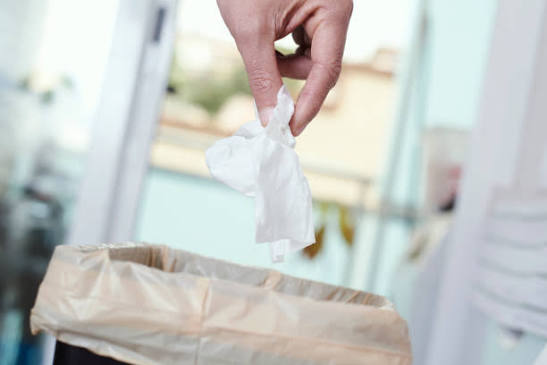
Dry wipes are valued for their versatility, cost-effectiveness, and compatibility with a wide range of cleaning chemicals.
Major Differences Between Wet Wipes and Dry Wipes
| Feature | Wet Wipes | Dry Wipes |
|---|---|---|
| Moisture | Pre-moistened | Dry |
| Ready to Use | Yes | Requires liquid if needed |
| Shelf Life | Depends on formulation | Generally longer |
| Customization | Limited after production | Highly customizable |
| Storage | Airtight packaging required | Easier storage |
| Cost | Slightly higher | More economical |
| Applications | Hygiene & sanitization | Multi-purpose cleaning |
Common Uses of Wet Wipes
Wet wipes are widely used across multiple industries because they provide instant cleaning and convenience.
Personal Care
- Facial cleansing
- Makeup removal
- Hand cleaning
- Intimate hygiene
Healthcare
- Patient care
- Medical equipment cleaning
- Skin preparation
- Infection prevention
Household Cleaning
- Kitchen surfaces
- Bathroom cleaning
- Furniture wiping
- Electronics cleaning
Travel
- Hand sanitizing
- Food tray cleaning
- Quick refreshing
- Outdoor activities
Common Uses of Dry Wipes
Dry wipes are highly versatile and suitable for numerous professional environments.
Industrial Applications
- Machine maintenance
- Oil removal
- Equipment cleaning
- Precision wiping
Medical Sector
- Patient care
- Laboratory cleaning
- Instrument wiping
- Surface preparation
Automotive Industry
- Interior detailing
- Glass cleaning
- Paint preparation
- Component cleaning
Commercial Facilities
- Office cleaning
- Hotels
- Restaurants
- Educational institutions
Manufacturing Insights: How Wet and Dry Wipes Are Produced
Manufacturing premium wipes involves advanced technology, quality control, and strict hygiene standards.
Raw Material Selection
Manufacturers use premium non-woven fabrics such as:
- Spunlace
- Viscose
- Polyester blends
- Cellulose fibers
- Bamboo fibers
Fabric Conversion
The non-woven fabric is cut into precise dimensions according to customer specifications.
Wet Wipe Manufacturing
For wet wipes, the fabric passes through an automated saturation system where a specially formulated solution is evenly distributed.
Dry Wipe Manufacturing
Dry wipes skip the saturation process and are directly folded, cut, and packed in hygienic environments.
Packaging
Modern manufacturing includes:
- Flow packs
- Canisters
- Sachets
- Bulk cartons
- Refillable packs
- Private label packaging
Factors to Consider When Choosing Between Wet and Dry Wipes
Choosing the right wipe depends on several important factors.
Consider:
- Intended application
- Surface compatibility
- Required moisture level
- Storage conditions
- Cost efficiency
- Environmental impact
- Packaging requirements
- Bulk purchasing needs
Benefits of High-Quality Non-Woven Wipes
Premium wipes offer numerous advantages across industries.
Key Benefits
- Excellent absorbency
- Soft texture
- Lint-free performance
- Strong durability
- High cleaning efficiency
- Lightweight design
- Customizable sizes
- Suitable for OEM manufacturing
- Safe for multiple applications
- Cost-effective bulk production
Industries That Rely on Wet and Dry Wipes
Many industries depend on reliable wipe solutions.
These include:
- Healthcare
- Pharmaceuticals
- Personal Care
- Beauty & Cosmetics
- Hospitality
- Food Processing
- Automotive
- Electronics
- Industrial Manufacturing
- Aviation
- Laboratories
- Household Products
Future Trends in Wipes Manufacturing
The wipes industry continues to evolve with innovations focused on sustainability and performance.
Emerging trends include:
- Eco-friendly materials
- Biodegradable non-woven fabrics
- Plastic-free wipes
- Sustainable packaging
- Customized formulations
- Private label manufacturing
- Smart production automation
- Improved quality control systems
Manufacturers are increasingly investing in environmentally responsible production while maintaining exceptional product quality.
Wet wipes and dry wipes each provide unique benefits depending on the application. Wet wipes deliver immediate convenience with pre-moistened formulations, while dry wipes offer greater flexibility, longer shelf life, and cost-effective usage across various industries. Choosing a trusted manufacturing partner ensures consistent quality, customization, and reliable supply. Businesses looking for dependable Dry Wipes Manufacturers should partner with experienced companies that offer advanced manufacturing capabilities, stringent quality standards, and tailored OEM solutions to meet diverse market demands.
Looking for premium-quality wet wipes or dry wipes for your brand or business?
Choose ICLA for reliable OEM manufacturing, private labeling, customized formulations, and bulk production solutions. Our team is committed to delivering high-quality non-woven wipes that meet international standards for healthcare, industrial, and personal care applications.
Visit: https://icla.in/
Call: +91 9958972220