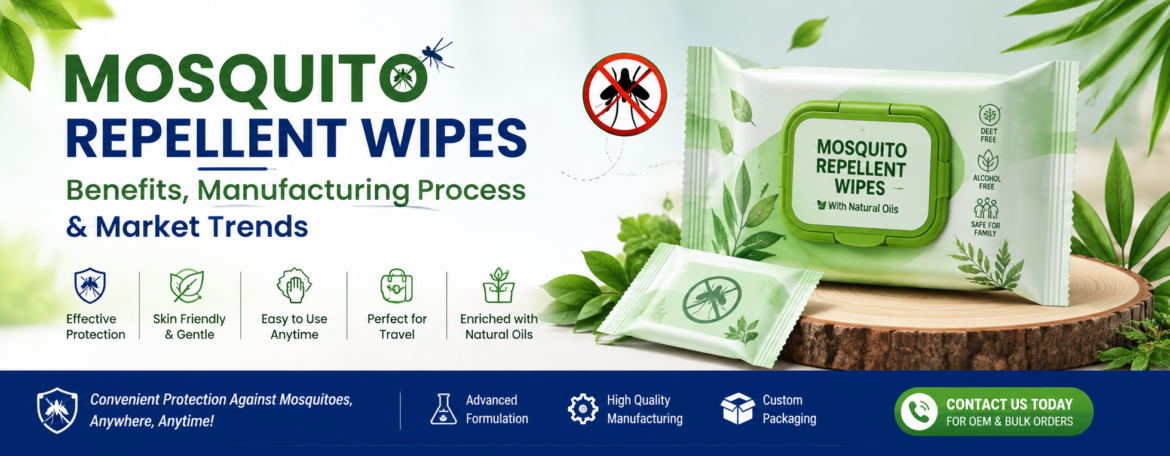
Mosquito-borne diseases continue to be a major concern across India and many parts of the world. Whether people are traveling, camping, working outdoors, or simply enjoying an evening walk, protection against mosquito bites has become a daily necessity. While sprays and creams are still widely used, Mosquito Repellent Wipes have emerged as a convenient, portable, and skin-friendly alternative.
These pre-moistened wipes provide quick application without creating a sticky feeling, making them suitable for adults and children alike. In recent years, businesses, healthcare brands, travel companies, and private-label brands have increasingly adopted mosquito repellent wipes due to growing consumer demand for hygienic and easy-to-carry products.
Why Mosquito Repellent Wipes Are Becoming Popular
Mosquito repellent wipes combine convenience with effective protection. Unlike liquid sprays that may leak or creams that leave residue, wipes offer a controlled amount of formulation in every use.
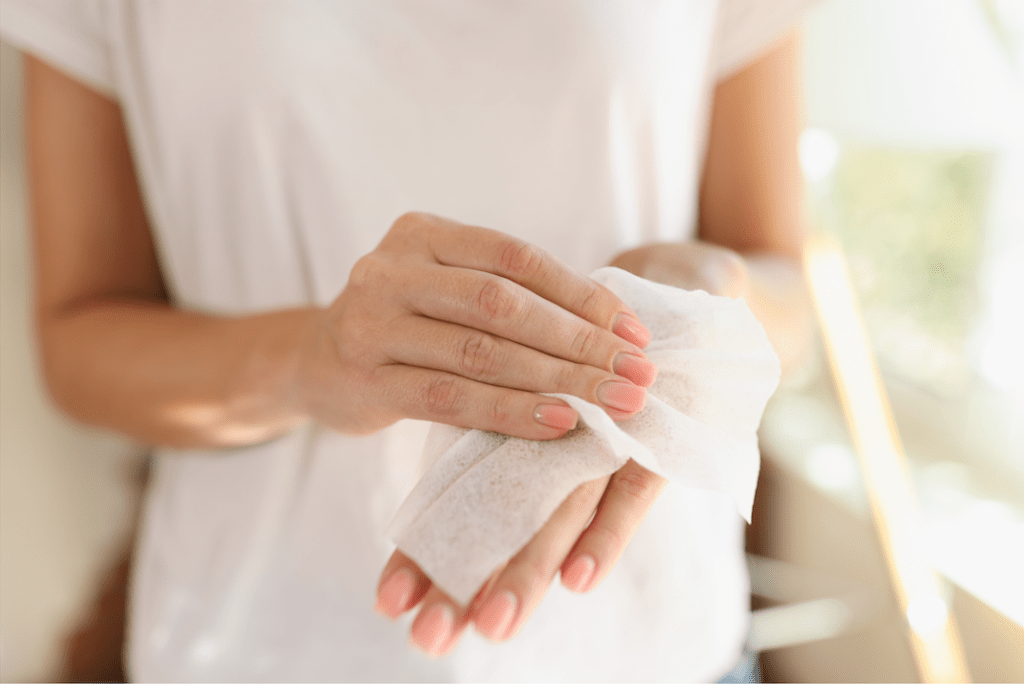
Key Benefits
- Easy to carry while traveling.
- Individually packed for better hygiene.
- No leakage or messy application.
- Suitable for outdoor activities.
- Quick and even application on exposed skin.
- Available with natural or chemical-based formulations.
- Comfortable and non-greasy feel.
- Ideal for children, adults, and families.
- Convenient for hospitals, hotels, schools, and corporate kits.
These advantages have made mosquito repellent wipes a preferred personal care product for modern consumers.
Manufacturing Process of Mosquito Repellent Wipes
Producing premium mosquito repellent wipes requires advanced manufacturing technology, quality ingredients, and strict quality control. Every stage is carefully monitored to ensure product safety, consistency, and performance.
1. Formula Development
The manufacturing process begins with selecting an effective mosquito repellent formulation. Depending on customer requirements, manufacturers may use:
- Citronella Oil
- Eucalyptus Oil
- Lemon Grass Extract
- Aloe Vera
- Vitamin E
- Skin-conditioning ingredients
- DEET or DEET-free formulations
- Alcohol-free options
The formulation is designed to provide effective mosquito protection while remaining gentle on the skin.
2. Nonwoven Fabric Selection
The quality of the wipe depends greatly on the nonwoven fabric.
Manufacturers commonly use:
- Spunlace Nonwoven
- Biodegradable Nonwoven
- Bamboo Fabric
- Viscose Blend
- Soft Cotton Blend
These materials provide excellent absorbency, softness, and durability.
3. Saturation Process
The prepared solution is evenly infused into the nonwoven fabric using automated equipment to ensure each wipe contains the correct amount of liquid.
4. Cutting and Folding
High-speed converting machines cut and fold the wipes into desired sizes suitable for individual sachets or multi-pack containers.
5. Packaging
Packaging plays an important role in maintaining freshness.
Common packaging options include:
- Single Sachets
- Flow Packs
- Pocket Packs
- Family Packs
- Travel Packs
- Custom OEM Packaging
Proper sealing helps retain moisture and extends shelf life.
6. Quality Inspection
Before dispatch, manufacturers perform multiple quality tests including:
- Microbiological Testing
- Skin Compatibility Testing
- Moisture Content Analysis
- Seal Integrity Test
- Stability Testing
- Packaging Inspection
Only products meeting quality standards are released for distribution.
Latest Market Trends
The mosquito repellent wipes industry continues to grow due to changing consumer preferences and increased awareness of mosquito-borne diseases.
Current Industry Trends
- Growing demand for natural ingredient formulations.
- Increased preference for biodegradable wipes.
- Rising popularity of private-label manufacturing.
- Eco-friendly packaging innovations.
- Travel-sized products gaining popularity.
- Demand from hospitals and healthcare facilities.
- Increased exports to international markets.
- Custom fragrances and herbal formulations.
- Sustainable manufacturing practices.
- Online retail driving product sales.
These trends are encouraging manufacturers to develop innovative, environmentally responsible, and skin-friendly products.
Industries Using Mosquito Repellent Wipes
Mosquito repellent wipes are widely used across different sectors, including:
- Healthcare
- Hospitality
- Travel Industry
- Aviation
- Schools & Educational Institutions
- Outdoor Adventure Companies
- Military & Defense
- Pharmaceutical Brands
- Personal Care Brands
- Government Health Programs
Their versatility makes them suitable for both consumer and institutional use.
Choosing the Right Manufacturing Partner
Businesses looking to launch mosquito repellent wipes should consider a manufacturer that offers:
- Advanced Manufacturing Facility
- OEM & Private Label Services
- Custom Formulations
- Flexible Packaging Options
- Bulk Production Capacity
- Strict Quality Control
- Regulatory Compliance
- Timely Delivery
- Product Development Support
- Competitive Pricing
Working with an experienced manufacturer helps ensure consistent quality while supporting brand growth.
Mosquito repellent wipes have become an essential personal care product due to their convenience, hygiene, and effective protection against mosquito bites. As consumer demand continues to rise, manufacturers are investing in advanced technologies, sustainable materials, and innovative formulations to meet evolving market needs.
Whether you’re a healthcare brand, retailer, distributor, or startup planning to introduce your own private-label mosquito repellent wipes, partnering with an experienced manufacturer can help you deliver safe, high-quality products that meet market expectations and build long-term customer trust.
Looking for a trusted Mosquito Repellent Wipes Manufacturer for OEM, private label, or bulk supply? Contact ICLA today to discuss your custom formulation, packaging requirements, and manufacturing needs. Our team is ready to help you create premium-quality mosquito repellent wipes tailored to your brand.