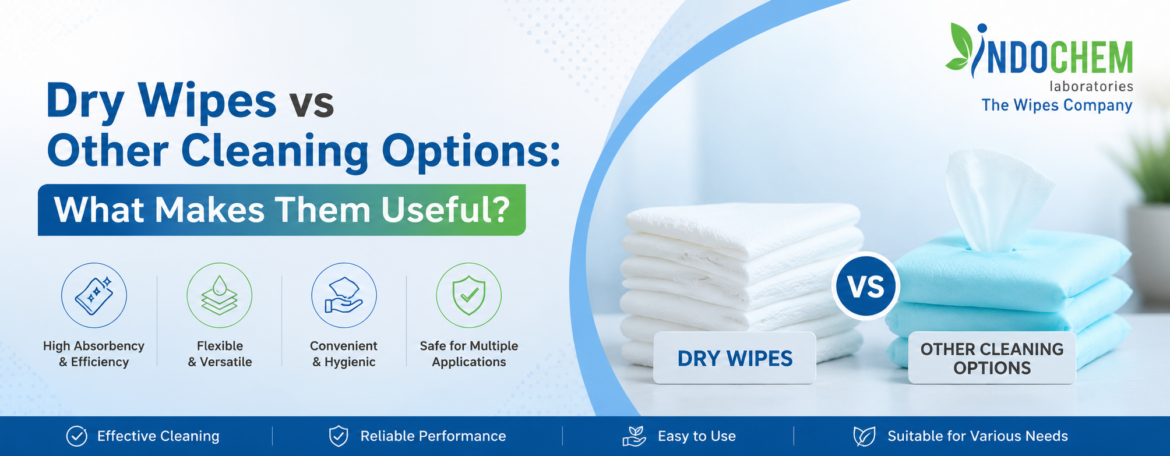
Dry wipes Manufacturer who manufactured wipes are ideal when you need flexibility, controlled moisture, or the option to add your preferred solution. Wet wipes are more convenient because they are pre-moistened and ready to use. The better choice depends on the application, skin sensitivity, cleaning requirements, portability, formulation, and desired level of convenience.
Wipes have become an important part of personal hygiene, healthcare, household cleaning, cosmetic care, and professional applications. Among the many options available, dry wipes and wet wipes are two of the most widely used formats.
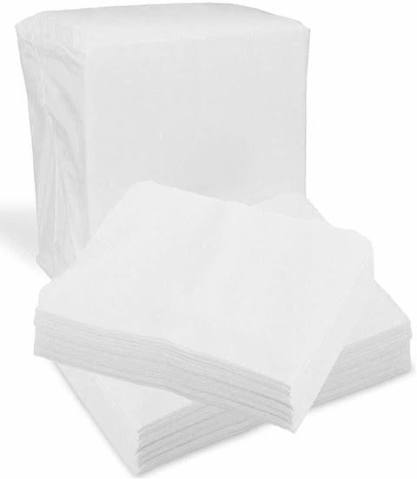
Although both are designed to provide convenient cleaning, their characteristics and applications can be quite different. Dry wipes are supplied without a liquid formulation, allowing users or manufacturers to apply a suitable solution according to the intended purpose. Wet wipes are pre-moistened with a formulated liquid and are generally ready for immediate use.
Understanding these differences can help consumers, healthcare professionals, businesses, and product developers select the right wipe for a particular application.
What Are Dry Wipes?
Dry wipes are nonwoven or other suitable wipe substrates supplied in a dry condition. They do not contain a pre-applied liquid solution.
Depending on the material and construction, dry wipes can be soft, absorbent, durable, low-lint, or designed for specialized cleaning applications.
One of their biggest advantages is formulation flexibility. A dry wipe can be used on its own or paired with water, a cleaning solution, antiseptic formulation, cosmetic solution, or another suitable liquid depending on the application.
Common Applications of Dry Wipes
Dry wipes can be useful for:
- General personal hygiene
- Baby and patient care
- Medical and healthcare applications
- Surface cleaning
- Cosmetic applications
- Industrial cleaning
- Laboratory environments
- Cleaning applications where controlled liquid quantity is important
- Situations where users want to select the cleaning solution separately
What Are Wet Wipes?
Wet wipes are pre-moistened wipes containing a formulated liquid solution. The formulation may include water along with other ingredients selected for the intended application.
Depending on the product, wet wipes can be developed for personal care, household cleaning, cosmetic use, healthcare applications, or specialized cleaning.
The primary advantage is convenience. Users can generally take a wipe from its packaging and use it without separately preparing or applying a liquid.
Common Applications of Wet Wipes
Wet wipes are commonly used for:
- Hand and personal hygiene
- Baby care
- Patient care
- Homecare
- Cosmetic cleansing
- Intimate hygiene
- Surface cleaning
- Travel and on-the-go hygiene
- Specialized cleaning applications
Dry Wipes vs Wet Wipes: Key Differences
The main difference is the presence or absence of a pre-applied liquid formulation.
| Feature | Dry Wipes | Wet Wipes |
|---|---|---|
| Moisture | Dry | Pre-moistened |
| Ready to use | May require added liquid | Generally ready to use |
| Formulation flexibility | High | Formulation is already incorporated |
| Convenience | Depends on application | Very convenient |
| Storage | Generally simpler | Requires suitable moisture-retaining packaging |
| Liquid control | User-controlled | Predefined formulation |
| Customization | High | Depends on product formulation |
| Portability | Convenient | Highly convenient for immediate use |
| Application range | Broad | Broad, depending on formulation |
Which Is More Convenient?
For immediate use, wet wipes are usually more convenient. They eliminate the need to carry or apply a separate liquid.
This makes them particularly useful for travel, personal hygiene, baby care, quick cleaning, and situations where convenience is a priority.
Dry wipes can be equally convenient when the user already has a preferred solution available or when the application requires different liquids for different purposes.
Which Provides Better Formulation Flexibility?
Dry wipes generally offer greater flexibility.
Because they are supplied without a pre-applied liquid, the appropriate solution can be selected separately. This can be useful in professional environments where different applications require different formulations.
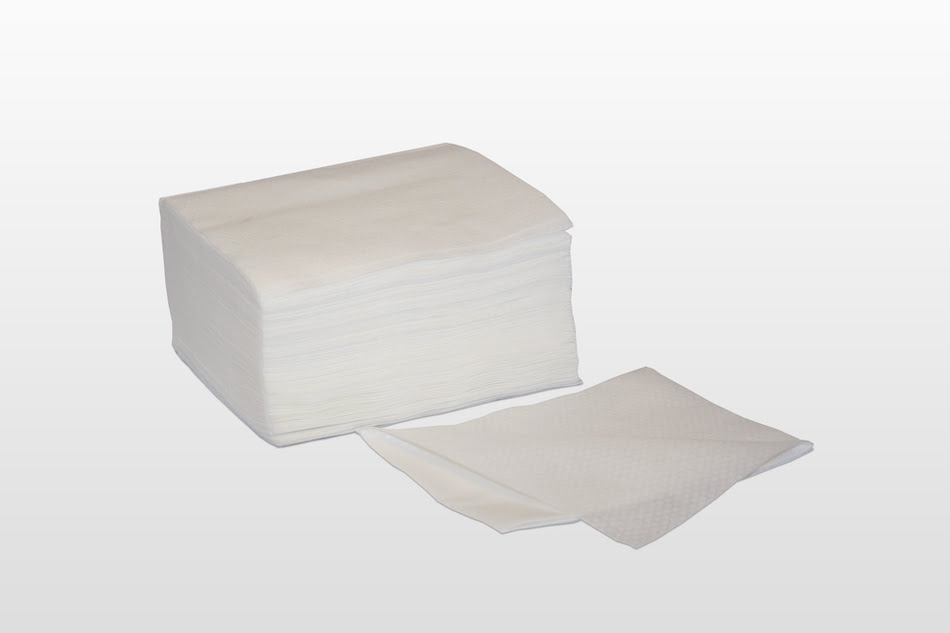
Wet wipes, in contrast, are manufactured with a predetermined liquid formulation. This provides convenience and consistency but gives the end user less control over the formulation.
Which Is Better for Sensitive Skin?
There is no universal answer.
Skin compatibility depends on several factors, including:
- Wipe substrate
- Fragrance
- Preservatives
- Surfactants
- Alcohol content
- pH
- Other formulation ingredients
- Frequency of use
- Individual skin sensitivity
A well-designed wet wipe can be suitable for sensitive skin when its formulation is appropriately developed and tested. Similarly, a soft dry wipe can be useful when the user wants to control which solution comes into contact with the skin.
Consumers should always check the product’s ingredient information and intended use.
Which Is Better for Healthcare Applications?
The choice depends heavily on the specific healthcare application.
Dry wipes can be useful where healthcare professionals need to apply a particular solution separately. They may also be selected for patient care, cleaning, or applications where controlled formulation use is preferred.
Wet wipes can provide convenience when a validated, ready-to-use formulation is required.
For specialized medical or antiseptic applications, the product should be selected according to its intended use, formulation specifications, compatibility, and applicable regulatory requirements.
Which Is Better for Travel?
Wet wipes are often the more convenient choice for travel because they are ready to use and do not require separate liquids.
They can be useful when cleaning hands, freshening up, or handling everyday hygiene needs while travelling.
Dry wipes can also be a practical option for travellers who prefer to carry a separate solution or want greater control over the amount and type of liquid used.
Which Is Better for Cleaning Optical Surfaces?
For eyeglasses, camera lenses, screens, and other delicate surfaces, the wipe material and formulation are extremely important.
A wipe intended for optical cleaning should be designed to minimize lint, residue, streaking, and scratching. The solution should also be compatible with the surface being cleaned.
Therefore, the question is not simply whether a wipe is wet or dry. The substrate, texture, formulation, and intended application matter more than moisture alone.
Which Is Better for Industrial Cleaning?
Dry wipes can be particularly useful in industrial environments because they allow users to select an appropriate cleaning solution according to the task.
They can also be useful when different surfaces require different cleaning approaches.
However, specialized wet wipes may be more convenient when a manufacturer provides a pre-formulated solution designed for a specific industrial application.
The correct choice should consider the surface, contaminants, chemical compatibility, absorbency, lint level, durability, and workplace requirements.
Absorbency and Liquid Management
Dry wipes can be highly useful when absorbency is a priority.
They can absorb spills, moisture, and other liquids without introducing additional formulation to the surface. This makes them useful for cleaning and general care.
Wet wipes contain a predetermined amount of liquid. Their performance therefore depends not only on the wipe material but also on the amount and characteristics of the formulation.
For some applications, controlled wetness is an advantage because it delivers consistent cleaning performance.
Packaging Considerations
Packaging plays an important role in both types of wipes.
For dry wipes, packaging primarily needs to protect the substrate from dust, contamination, moisture, and physical damage.
Wet wipes require packaging that helps retain moisture and protect the formulation from leakage, evaporation, and contamination.
Common packaging formats include:
- Individual sachets
- Resealable packs
- Flow packs
- Tubs or containers
- Bulk packs
The ideal packaging depends on the intended application, shelf life, distribution conditions, and frequency of use.
Dry Wipes vs Wet Wipes: Which One Should You Choose?
The right option depends on your specific requirements.
Choose Dry Wipes When:
- You want to select the liquid separately.
- You need greater formulation flexibility.
- Absorption is an important requirement.
- You want to control liquid quantity.
- The wipe will be used across different applications.
- You need a dry substrate for a specialized process.
Choose Wet Wipes When:
- Immediate use is important.
- Convenience is a priority.
- You need a ready-to-use product.
- You want consistent pre-applied formulation.
- The product is intended for travel or on-the-go use.
- Separate liquid handling is inconvenient.
How Manufacturers Select the Right Wipe Material
Choosing the correct substrate is just as important as deciding between dry and wet formats.
Manufacturers may evaluate:
- Fiber composition
- Basis weight
- Absorbency
- Wet strength
- Dry strength
- Softness
- Texture
- Lint generation
- Liquid retention
- Dispensing performance
- Packaging compatibility
Different applications require different combinations of these characteristics.
For example, a wipe designed for delicate cosmetic use may prioritize softness, while an industrial wipe may require higher strength and durability.
Environmental Considerations
Environmental performance should also be considered when selecting wipes.
Important factors include the substrate material, packaging, manufacturing process, disposal method, and whether the product is designed for a specific waste stream.
Consumers should not assume that a wipe is flushable simply because it is biodegradable or dispersible under certain conditions. Unless the product is specifically designed, tested, and labelled for flushing, wipes should generally be disposed of according to the manufacturer’s instructions.
Reducing unnecessary packaging and selecting an appropriate wipe format can also help support more responsible product use.
There is no single winner in the dry wipes vs wet wipes comparison. Each format has distinct advantages.
Dry wipes are particularly valuable when flexibility, absorbency, and control over the applied solution are important. Wet wipes stand out when convenience, portability, and ready-to-use performance are priorities.
The best choice ultimately depends on the application, wipe material, formulation, packaging, skin or surface requirements, and intended use. Businesses and consumers should evaluate these factors rather than choosing a wipe based only on whether it is wet or dry.
Frequently Asked Questions
1. Are dry wipes better than wet wipes?
Not necessarily. Dry wipes provide greater flexibility and can be used with different solutions, while wet wipes offer convenience and are ready to use. The better option depends on the application.
2. Can dry wipes be converted into wet wipes?
Yes, depending on the intended product design. A suitable liquid formulation can be incorporated into a dry wipe substrate during manufacturing to create a pre-moistened wipe.
3. Are wet wipes suitable for sensitive skin?
Some wet wipes are specifically formulated for sensitive skin, but suitability depends on ingredients, pH, fragrance, preservatives, and individual skin characteristics. Always check the product information.
4. Can dry wipes be used for cleaning?
Yes. Dry wipes can be used for absorbing moisture, removing dust, wiping surfaces, or applying a separately selected cleaning solution.
5. Why do wet wipes dry out?
Wet wipes can lose moisture because of poor sealing, prolonged exposure to air, damaged packaging, or improper storage. Proper packaging helps maintain moisture throughout the intended shelf life.
6. Are all wet wipes disinfecting wipes?
No. A wet wipe is not automatically a disinfecting or antiseptic product. Its function depends on the formulation, intended use, claims, testing, and applicable regulatory requirements.
7. Are dry wipes reusable?
Most disposable dry wipes are designed for single use. Reusability depends on the material, construction, contamination level, and manufacturer’s instructions.
8. Which wipes are better for professional applications?
It depends on the task. Dry wipes may be preferable when professionals need formulation flexibility, while wet wipes can be advantageous when a standardized, ready-to-use solution is required.
9. What is the biggest advantage of wet wipes?
Their biggest advantage is convenience. They are pre-moistened and generally ready to use without requiring users to prepare a separate liquid.
10. What is the biggest advantage of dry wipes?
Their biggest advantage is flexibility. Users or professionals can select the appropriate liquid or use the wipe dry depending on the application.