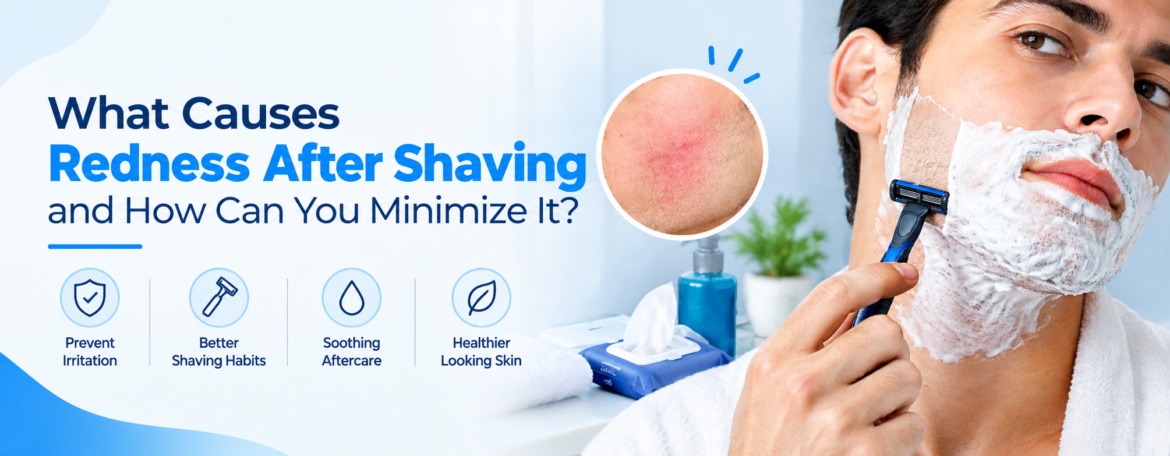
Redness after shaving usually occurs because the razor causes friction, removes a thin layer of skin cells, or irritates hair follicles. Using a clean, sharp razor, shaving with warm water and lubrication, avoiding excessive pressure, and applying gentle post-shave care can significantly reduce irritation. Quality After Shave Wipes Manufacturing also focuses on soothing ingredients that help calm freshly shaved skin.
Shaving can leave your skin feeling smooth and refreshed, but it can also cause temporary redness, burning, itching, or small bumps. This is particularly common in people with sensitive skin, coarse or curly hair, or those who shave frequently.
Although mild redness often disappears within a short time, repeated irritation may make the skin uncomfortable and contribute to razor bumps or ingrown hairs. Understanding why redness occurs is the first step toward preventing it.
What Causes Redness After Shaving?
Several factors can contribute to redness and irritation after shaving.
1. Razor Friction
When a razor moves across the skin, it creates friction. Multiple passes over the same area can increase irritation, especially when there is insufficient shaving cream or gel.
Using excessive pressure can make the problem worse because the razor comes into closer contact with the skin.
2. Using a Dull Razor
A dull blade does not cut hair as efficiently as a sharp blade. You may need to make several passes over the same area, increasing friction and irritation.
A clean, sharp razor generally provides a smoother shave with fewer passes.
3. Shaving Without Enough Lubrication
Dry shaving can create significant friction between the blade and skin. This can lead to redness, dryness, burning, and small irritated areas.
Applying shaving cream, gel, or another suitable lubricant helps soften the hair and allows the razor to move more smoothly.
4. Sensitive Skin
People with sensitive skin may experience redness more easily than others. Ingredients in shaving products, fragrances, alcohol, or other potentially irritating ingredients can sometimes make the reaction stronger.
Choosing gentle, fragrance-free products may help reduce unnecessary irritation.
5. Shaving Against the Direction of Hair Growth
Shaving against the grain can provide a closer shave, but it may also increase the possibility of irritation and ingrown hairs.
For people who frequently experience razor burn, shaving in the direction of hair growth may be a gentler approach.
6. Applying Too Much Pressure
A razor does not need heavy pressure to remove hair. Pressing too hard can increase friction and potentially cause tiny abrasions on the skin.
Use light, controlled strokes instead.
7. Bacteria and Poor Razor Hygiene
Razors can accumulate hair, skin cells, product residue, and microorganisms when they are not cleaned properly.
Using a dirty or poorly maintained razor may increase the risk of skin irritation and other problems. Always rinse the razor thoroughly and allow it to dry properly between uses.
What Is Razor Burn?
Razor burn is a common form of skin irritation that can develop shortly after shaving. It may appear as:
- Red or pink patches
- Burning or stinging
- Itching
- Dryness
- Small irritated bumps
- General skin sensitivity
Razor burn is different from an infection. However, persistent, painful, swollen, or pus-filled bumps may require medical attention because they can have other causes.
How Can You Minimize Redness After Shaving?
Prepare Your Skin Before Shaving
Preparation is an important part of preventing irritation. Wash the area with lukewarm water and a gentle cleanser before shaving.
Warm water can help soften facial or body hair, making it easier for the razor to glide across the skin.
Use a Suitable Shaving Product
Apply a shaving cream, gel, or other suitable lubricant before using the razor. Allowing the product to sit briefly can help soften the hair further.
Avoid shaving directly over dry skin whenever possible.
Use a Sharp and Clean Razor
Replace blades regularly according to the manufacturer’s instructions and your usage. If a blade starts pulling or tugging at the hair instead of cutting smoothly, it may be time for a replacement.
Clean the razor after each use and store it somewhere dry.
Shave With Gentle Strokes
Use short, light strokes rather than repeatedly dragging the razor across the same area.
Avoid applying unnecessary pressure. If you need to shave an area again, reapply shaving product instead of repeatedly shaving over dry skin.
Rinse With Cool or Lukewarm Water
After shaving, gently rinse the skin to remove remaining shaving product and loose hair. Avoid very hot water because it may further dry or irritate already-sensitive skin.
Apply a Gentle Post-Shave Product
Post-shave care can help keep the skin comfortable. Products containing soothing and moisturizing ingredients may be useful, depending on your skin type.
This is where properly formulated post-shave wipes can provide convenient cleansing and refreshing care.
For businesses developing personal-care products, After Shave Wipes Manufacturing may involve selecting appropriate substrates, cleansing agents, moisturizers, soothing ingredients, preservatives, packaging, and quality-control procedures according to the intended product specifications.
Avoid Strong Fragrances and Irritating Ingredients
Immediately after shaving, the skin can be more sensitive. Strongly fragranced products or products containing ingredients that irritate your skin may increase discomfort.
If you repeatedly experience redness, consider using products designed for sensitive skin.
Are After-Shave Wipes Useful?
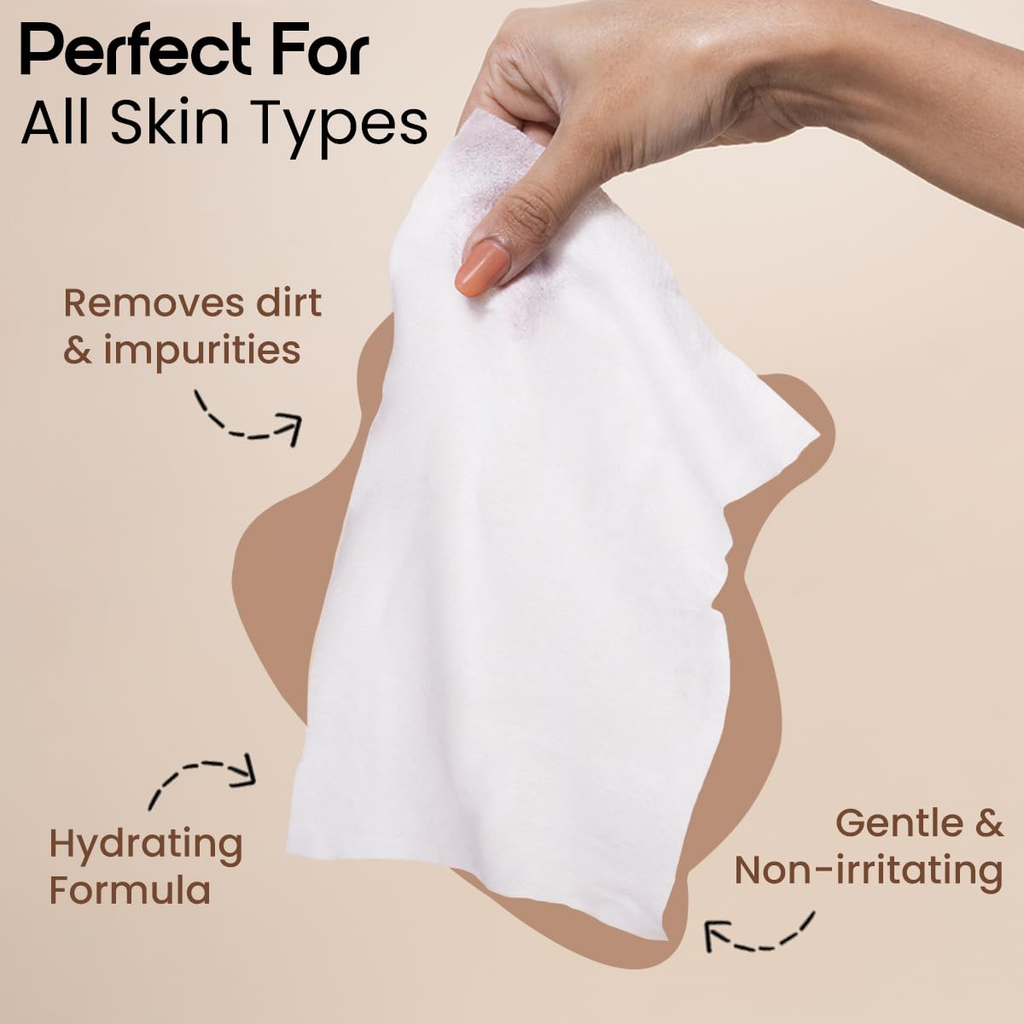
After-shave wipes can be convenient for quickly cleaning and refreshing the skin after shaving, particularly when traditional washing facilities are unavailable.
However, their effectiveness depends heavily on formulation and quality. A well-designed wipe should be appropriate for its intended skin-contact application and should balance cleansing with skin comfort.
Manufacturers should carefully evaluate the wipe material, formulation, preservation system, packaging, pH, fragrance level, and compatibility with the intended skin type.
Common Mistakes That Increase Shaving Irritation
Avoid these common shaving mistakes:
- Shaving with a dull blade
- Shaving dry skin
- Pressing the razor too hard
- Making too many passes over one area
- Using very hot water
- Immediately applying irritating products
- Using an unclean razor
- Shaving too frequently without allowing the skin to recover
- Ignoring recurring ingrown hairs or painful bumps
- Using products that are unsuitable for your skin type
How Often Should You Replace a Razor?
There is no single replacement schedule that works for everyone. Blade life depends on shaving frequency, hair thickness, shaving area, razor quality, and how well the razor is maintained.
Instead of following a fixed number of shaves, pay attention to performance. If the blade pulls, feels rough, becomes difficult to clean, or causes more irritation than usual, replacing it may be appropriate.
When Should You See a Doctor?
Mild redness after shaving usually improves on its own. However, professional medical advice may be appropriate if you experience:
- Severe or persistent redness
- Significant swelling
- Increasing pain
- Pus or discharge
- Spreading irritation
- Repeated painful bumps
- Symptoms that do not improve with basic skincare
These symptoms can have causes other than ordinary razor irritation.
Frequently Asked Questions
1. Why does my skin turn red after shaving?
Redness commonly results from friction, repeated razor passes, shaving too closely, sensitive skin, or irritation from shaving products.
2. How can I stop redness after shaving?
Use a clean, sharp razor, prepare the skin properly, use sufficient shaving lubrication, shave gently in the direction of hair growth, and apply a suitable soothing moisturizer afterward.
3. Is shaving every day bad for your skin?
Daily shaving is not necessarily harmful for everyone, but frequent shaving can increase irritation in people with sensitive skin. Good technique and appropriate skincare can help minimize problems.
4. Should I use cold water after shaving?
Cool or lukewarm water can be comfortable after shaving. Avoid very hot water if your skin is already irritated or dry.
5. Can after-shave wipes reduce irritation?
A properly formulated after-shave wipe can help clean and refresh freshly shaved skin. However, results depend on the ingredients, wipe material, formulation, and individual skin sensitivity.
6. Are after-shave wipes suitable for sensitive skin?
They can be, provided the product is specifically formulated for sensitive skin and avoids ingredients that trigger irritation for the individual user.
7. Why do I get small bumps after shaving?
Small bumps can result from razor irritation, ingrown hairs, or inflammation around hair follicles. Shaving technique, hair type, and skin sensitivity can all contribute.
8. Should I shave against the grain?
Shaving against hair growth can provide a closer shave but may increase irritation and ingrown hairs for some people. If you experience frequent irritation, try shaving with the grain.
Redness after shaving is often associated with friction, dull blades, excessive pressure, inadequate lubrication, sensitive skin, or shaving too closely. Better preparation, proper razor hygiene, gentle shaving techniques, and suitable post-shave skincare can help minimize discomfort and maintain healthier-looking skin. For personal-care brands, reliable After Shave Wipes Manufacturing can also support the development of convenient post-shave products designed around cleansing, refreshing, and skin-comfort needs.
Stay tuned here for more updates!