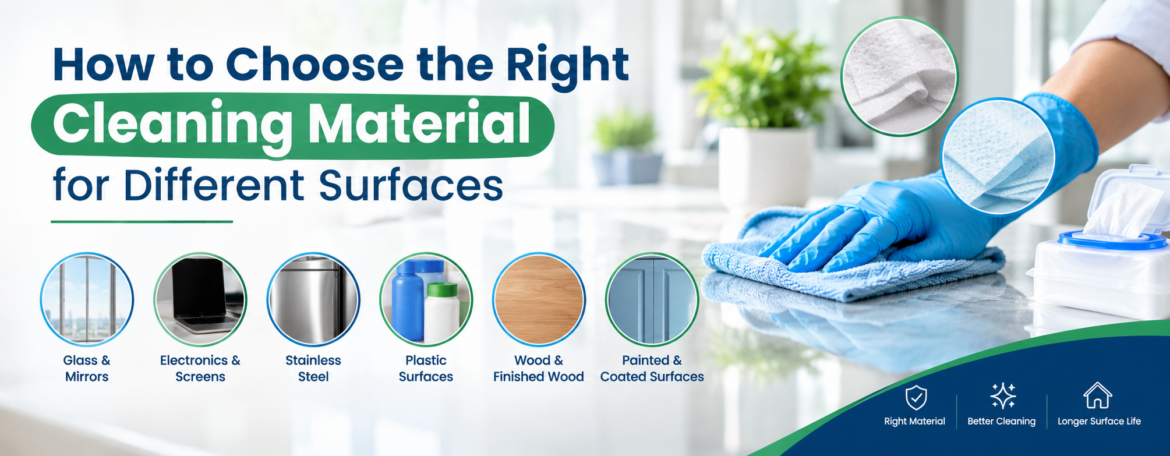
Choosing the right cleaning material depends on the surface type, level of dirt, moisture sensitivity, and required cleaning method. Dry Wipes Manufacturers can provide suitable wipe materials for glass, electronics, stainless steel, plastics, wood, and other surfaces. Always select a material that cleans effectively without causing scratches, residue, discoloration, or surface damage.
Cleaning different surfaces requires more than simply choosing a convenient wipe or cloth. Glass, electronics, stainless steel, plastics, painted surfaces, wood, and delicate equipment can respond differently to moisture, friction, chemicals, and abrasive materials. Using an unsuitable cleaning material may leave lint, streaks, scratches, residue, or even permanent damage.
The ideal cleaning material should therefore be selected according to the surface, cleaning objective, formulation, and application method. Understanding these factors helps businesses and consumers achieve effective cleaning while maintaining the appearance and functionality of the surface.
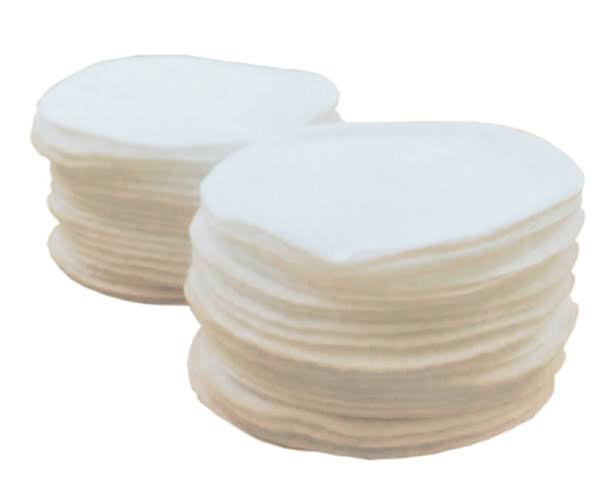
Why Does Cleaning Material Selection Matter?
Different surfaces have different physical and chemical characteristics. A material that works well for removing dust from a hard surface may not be appropriate for a sensitive electronic display.
The wrong cleaning material can cause:
- Scratches and surface abrasion
- Lint or fiber residue
- Streaking and water marks
- Chemical discoloration
- Damage to coatings or finishes
- Static-related problems on electronic components
- Reduced appearance and surface quality
Selecting the correct material improves cleaning performance while reducing the risk of unnecessary surface damage.
How to Choose Cleaning Material Based on Surface Type
1. Glass and Mirrors
Glass surfaces require materials that provide effective cleaning without leaving lint or streaks. Smooth, low-lint wipes are generally suitable for removing dust, fingerprints, and light residues.
For mirrors, windows, optical glass, and display glass, consider:
- Low-lint or lint-free construction
- Soft surface texture
- Good liquid absorption
- Minimal residue
- Compatibility with the selected cleaning solution
Avoid rough materials that may create fine scratches, particularly on coated or specialty glass.
2. Electronics and Screens
Electronic devices require extra care because screens and components can contain delicate coatings and sensitive surfaces.
Suitable cleaning materials should generally be:
- Soft and non-abrasive
- Low-lint
- Controlled in moisture
- Compatible with the screen or device manufacturer’s recommendations
Never assume that a strong cleaning chemical is appropriate simply because it removes dirt effectively. The material and cleaning formulation should both be evaluated for compatibility.
3. Stainless Steel
Stainless steel is commonly found in kitchens, healthcare environments, industrial equipment, appliances, and commercial facilities. Cleaning materials should remove fingerprints, dust, grease, and other residues without producing excessive streaking.
Soft non-abrasive wipes are usually preferable. For brushed stainless steel, wiping in the direction of the grain can help maintain the surface appearance.
4. Plastic Surfaces
Plastic can vary considerably depending on its formulation, finish, and application. Some plastics are more susceptible to scratching, clouding, or chemical damage than others.
When cleaning plastic:
- Use a soft cleaning material.
- Avoid unnecessarily abrasive wipes.
- Check chemical compatibility.
- Test the product on an inconspicuous area when appropriate.
- Avoid excessive pressure.
The correct material should provide sufficient cleaning performance without compromising the plastic’s finish.
5. Wood and Finished Wood
Wood surfaces can be particularly sensitive to excess moisture and aggressive chemicals. Finished wood, painted wood, and untreated wood may each require different cleaning approaches.
A suitable cleaning material should help control moisture and minimize abrasion. Excessive liquid can potentially affect certain wood finishes, so the amount of cleaning solution should be appropriate for the surface.
6. Painted and Coated Surfaces
Painted surfaces can be vulnerable to scratching, fading, and chemical interaction. Soft, non-abrasive materials are generally preferable.
Before using a new cleaning product, consider:
- Paint or coating type
- Chemical compatibility
- Surface sensitivity
- Required cleaning intensity
- Possibility of residue
Testing compatibility is especially important for specialty coatings and high-value equipment.
What Should You Consider When Selecting a Cleaning Wipe?
Material selection involves several factors beyond the surface itself.
Absorbency
Absorbency determines how efficiently a wipe can pick up liquids, spills, and residues. Highly absorbent materials may be useful for liquid-heavy applications, while controlled absorbency may be preferable for precision cleaning.
Lint Level
Lint can be problematic on glass, electronics, optical equipment, and finished surfaces. Low-lint materials are often preferred when visible fibers or contamination must be minimized.
Abrasiveness
Abrasive materials can damage delicate finishes. Softer wipe structures are generally more appropriate for sensitive surfaces.
Wet or Dry Application
Dry wipes are useful for dust removal, polishing, wiping, and controlled cleaning applications. Pre-moistened wipes can provide convenience and consistent application of a cleaning formulation.
Chemical Compatibility
The wipe material and cleaning formulation should work together. A chemically resistant wipe may be necessary for certain industrial applications, while delicate surfaces may require milder formulations.
Why Material Quality Matters for Professional Cleaning
Commercial and industrial cleaning applications often require consistent performance across large numbers of surfaces. In these situations, businesses should evaluate wipe construction, fiber characteristics, absorbency, durability, packaging, and compatibility with their intended cleaning solutions.
Experienced Dry Wipes Manufacturers can offer different material options and formats according to specific application requirements. This can be particularly useful for businesses requiring customized dimensions, packaging, absorbency, or wipe specifications.
Common Mistakes to Avoid
Several common mistakes can reduce cleaning effectiveness or damage surfaces:
- Using one wipe for every surface — Different materials have different cleaning requirements.
- Ignoring chemical compatibility — A suitable wipe may still be unsuitable with a particular formulation.
- Choosing abrasive materials — Rough surfaces can damage coatings and finishes.
- Overusing moisture — Excess liquid can be problematic for electronics, wood, and some equipment.
- Ignoring lint — Fiber residue can affect sensitive and visually critical surfaces.
- Skipping compatibility testing — New materials should be evaluated before large-scale use where surface damage would be costly.
How Can Businesses Select the Right Cleaning Material?
Businesses should first identify their primary surfaces and cleaning requirements. They can then compare wipe materials according to absorbency, softness, lint generation, durability, dimensions, packaging, and chemical compatibility.
For customized applications, discussing requirements with professional manufacturers can help identify appropriate material options. Businesses should also establish cleaning procedures that specify which material should be used for each surface.
Choosing the right cleaning material starts with understanding the surface, contamination level, cleaning solution, moisture requirements, and risk of abrasion or residue. The correct wipe can improve cleaning efficiency while helping preserve the appearance and functionality of different surfaces. Dry Wipes Manufacturers can support businesses with material options tailored to specific cleaning applications and performance requirements.
Frequently Asked Questions
1. What is the best cleaning material for glass?
A soft, low-lint or lint-free wipe is generally suitable for glass because it can help minimize streaks, fibers, and surface abrasion.
2. Can the same cleaning wipe be used on every surface?
Not always. Different surfaces have different sensitivities to moisture, friction, chemicals, and abrasion. Selecting a wipe according to the application is safer and more effective.
3. Are dry wipes suitable for electronics?
Dry wipes can be suitable for dust and light surface cleaning, provided the wipe is soft, low-lint, and compatible with the specific device or screen.
4. Why are low-lint wipes important?
Low-lint wipes reduce the amount of fiber residue left behind after cleaning, making them useful for glass, electronics, optical surfaces, and other applications where cleanliness is important.
5. What factors should businesses consider when buying cleaning wipes?
Businesses should consider surface type, wipe material, absorbency, lint level, softness, durability, dimensions, packaging, intended cleaning solution, and chemical compatibility.
6. Should cleaning wipes be tested before use?
Yes. For sensitive, coated, painted, or high-value surfaces, compatibility testing according to the surface and manufacturer’s recommendations can help identify potential problems before wider use.
Stay Tuned here for more updates!