
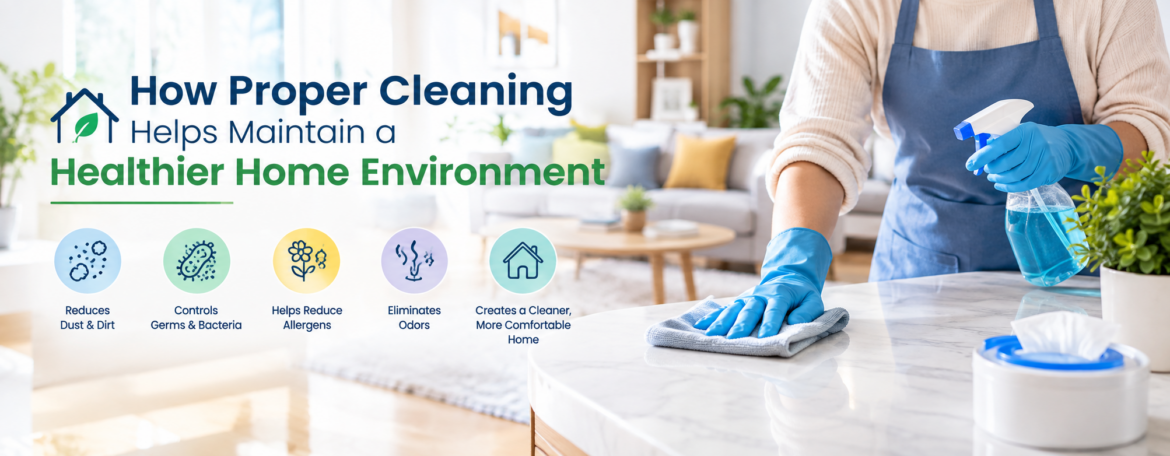
Homecare wipes helps maintain a healthier home by reducing dust, dirt, allergens, germs, and contaminants that can accumulate on surfaces. Regular cleaning of frequently touched areas, kitchens, bathrooms, floors, and other household spaces supports better hygiene and creates a cleaner, more comfortable living environment for everyone.
A clean home is more than an attractive living space, it is an important part of maintaining everyday hygiene and comfort. Dust, food particles, moisture, bacteria, and other contaminants can gradually build up on household surfaces. Without regular cleaning, these contaminants may affect indoor cleanliness and contribute to unpleasant odors and poor hygiene.
A consistent cleaning routine helps control this buildup and keeps frequently used areas cleaner. From kitchen counters and dining tables to bathroom surfaces, door handles, switches, and electronic devices, different areas of the home require appropriate cleaning methods and products.
How Proper Cleaning Supports a Healthier Home
1. Reduces Dust and Surface Dirt
Dust can accumulate on furniture, floors, shelves, windowsills, and other surfaces. Regular dusting and wiping help remove visible dirt and fine particles before they accumulate.
Cleaning frequently used surfaces can also make the home feel fresher and more comfortable. Microfiber cloths, suitable cleaning solutions, and convenient homecare wipes can be useful for routine surface maintenance.
2. Helps Maintain High-Touch Surface Hygiene
Some household surfaces are touched repeatedly throughout the day. Door handles, cabinet handles, light switches, remote controls, countertops, and appliance handles can collect dirt and contaminants through frequent contact.
Regularly cleaning these areas is an important part of a practical household hygiene routine. A reliable Homecare Wipes Manufacturer can provide convenient wiping solutions designed for different everyday cleaning requirements.
3. Supports Better Kitchen Hygiene
The kitchen requires particular attention because food preparation can leave behind grease, crumbs, spills, and other residues. Countertops, dining surfaces, refrigerator handles, sinks, and cooking areas should be cleaned regularly.
Cleaning immediately after spills can also help prevent residue from becoming difficult to remove. Separate cleaning materials should be used appropriately for food-contact surfaces and other household areas, following the product manufacturer’s instructions.
4. Keeps Bathrooms Cleaner
Bathrooms are exposed to moisture, soap residue, and frequent use. Regular cleaning of sinks, faucets, toilet surfaces, shower areas, tiles, and floors helps maintain better overall hygiene.
Good ventilation is also important because excessive moisture can contribute to unpleasant odors and conditions that encourage unwanted microbial or mold growth.
5. Helps Control Allergens
Household dust may contain particles such as pollen, pet dander, and dust-mite debris. Regular cleaning can help reduce the accumulation of these particles.
Vacuuming floors and upholstery, washing bedding regularly, dusting surfaces, and maintaining ventilation can all contribute to a cleaner indoor environment.
6. Reduces Unpleasant Odors
Odors can develop when food residues, waste, moisture, or dirt remain on surfaces for extended periods. Routine cleaning removes many of the sources responsible for unwanted smells.
Cleaning garbage bins, kitchen surfaces, bathrooms, refrigerators, and other odor-prone areas regularly can help maintain a fresher home.
7. Prevents Dirt From Building Up
Small amounts of dirt may seem insignificant, but they can accumulate over time. A consistent cleaning schedule prevents household surfaces from becoming heavily soiled and often makes cleaning easier.
Instead of waiting for visible buildup, homeowners can divide cleaning tasks into daily, weekly, and monthly routines.
Creating an Effective Home Cleaning Routine
A practical cleaning routine does not have to involve cleaning the entire home every day. Tasks can be organized according to frequency.
Daily cleaning may include:
- Wiping kitchen counters and dining surfaces
- Cleaning visible spills
- Washing dishes and kitchen utensils
- Removing household waste
- Cleaning frequently touched surfaces when necessary
Weekly cleaning may include:
- Vacuuming and mopping floors
- Cleaning bathrooms
- Dusting furniture and shelves
- Washing frequently used fabrics
- Cleaning kitchen appliances and other household areas
Periodic cleaning may include:
- Cleaning windows and curtains
- Deep-cleaning appliances
- Cleaning behind furniture
- Organizing storage areas
- Checking moisture-prone areas
Choosing Suitable Cleaning Products
Not every household surface should be cleaned using the same product. Materials such as glass, stainless steel, plastic, wood, painted surfaces, and electronic equipment may have different cleaning requirements.
Before using a cleaning product, check its label and follow the recommended instructions. For convenient everyday cleaning, homeowners may also consider appropriately formulated wipes for surfaces and situations where they are suitable.
When businesses require customized or bulk wiping solutions, working with a professional Homecare Wipes Manufacturer can help support specific requirements related to wipe material, formulation, packaging, size, and intended application.
Why Consistency Matters More Than Occasional Deep Cleaning
Deep cleaning has an important role, but everyday maintenance should not be overlooked. Regular small cleaning tasks can prevent dirt and residue from accumulating and reduce the effort required during larger cleaning sessions.
Consistency also makes it easier to identify areas that require additional attention, such as damp corners, frequently touched surfaces, kitchen equipment, and high-traffic floors.
Proper cleaning is an essential part of maintaining a comfortable and hygienic home environment. Regularly removing dust, dirt, residues, and contaminants from household surfaces can support better everyday cleanliness while helping prevent excessive buildup.
A simple and consistent cleaning routine, combined with suitable cleaning products and good ventilation, can make home maintenance more manageable. For convenient and application-specific wiping solutions, a trusted Homecare Wipes Manufacturer can offer options designed for different household cleaning needs.
Frequently Asked Questions
1. How often should a home be cleaned?
Basic cleaning tasks such as removing spills, wiping kitchen surfaces, and managing waste should generally be performed regularly, while deeper cleaning can be scheduled weekly or periodically according to household needs.
2. Which areas of a home need the most frequent cleaning?
Frequently touched surfaces, kitchens, bathrooms, floors, dining areas, and surfaces exposed to food or moisture generally require regular attention.
3. Can regular cleaning reduce household allergens?
Regular dusting, vacuuming, washing fabrics, and cleaning surfaces can help reduce the accumulation of dust and common household allergen particles.
4. Are homecare wipes useful for everyday cleaning?
Homecare wipes can be convenient for quick cleaning of suitable household surfaces. Always check the product label to confirm the intended application and surface compatibility.
5. Why is kitchen cleaning especially important?
Kitchens can accumulate food residues, grease, spills, and moisture. Regular cleaning helps maintain better hygiene around food preparation and dining areas.
6. Does cleaning eliminate all germs from a home?
No. Cleaning removes dirt, debris, and many contaminants, but it does not necessarily eliminate all microorganisms. Where disinfection is required, an appropriate disinfectant should be used according to its label instructions.
7. How can homeowners make cleaning easier?
Creating a routine, cleaning spills promptly, keeping suitable cleaning supplies accessible, and dividing tasks into daily and weekly activities can make household cleaning more manageable.
Stay tuned here for more updates!